Education
Nov 3, 2015
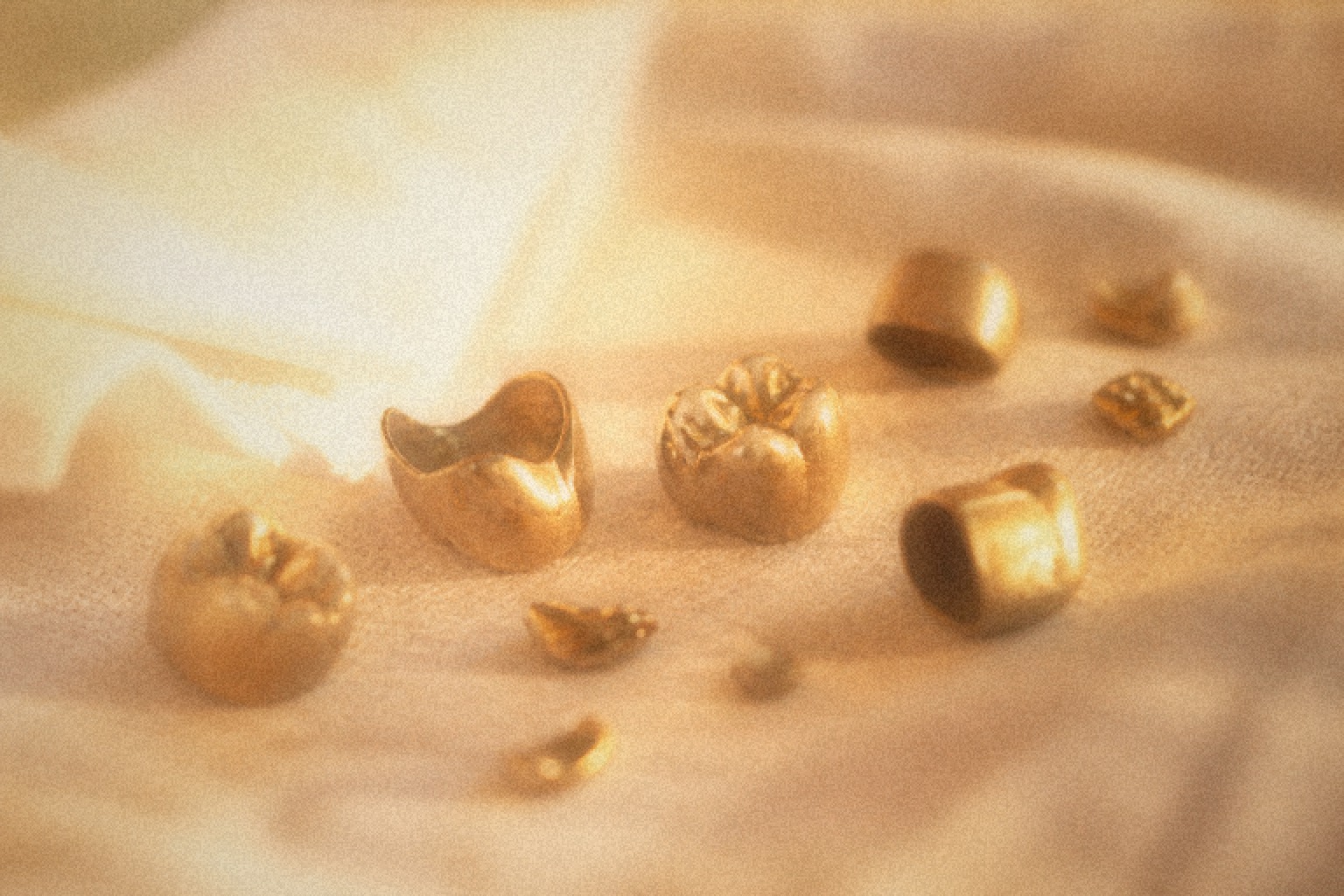
Gold crowns and inlays are not just nostalgia. The metal earns its place for biocompatibility, durability, and a scrap value patients can still recover.
Dentists have used gold for restorations for a long time because the metal behaves well in the mouth. It can be shaped to a precise fit, it resists corrosion in a wet, salty environment, and it wears in a way that is gentler on opposing teeth than some harder materials. Patients notice the color, of course. Clinicians notice the working properties: malleability, biocompatibility, and a track record that stretches across decades of crowns, inlays, onlays, and bridges. Those traits explain why gold shows up in pill bottles of removed work and in lab drawers of leftover casting scrap long after a patient has switched to tooth-colored options.
Dental gold is rarely pure gold in the jewelry sense. High-noble blends mix gold with other metals so the alloy casts cleanly, holds a margin, and survives chewing forces. Those blends still carry meaningful gold content, which is why crowns, bridges, and sprue buttons remain interesting when you sell. Yellow restorations are the easy ones to spot under daylight. White high-noble alloys exist too, and they can be mistaken for non-precious metal if you only judge by color under office fluorescents. Coppery tones and gray tones both deserve a second look before anything is tossed.
Modern dentistry also leans on ceramics and other tooth-colored systems. That does not erase older gold work still in circulation. A porcelain-fused restoration may hide a metal substructure along the margins or inside fracture lines. Loose crowns in a pill bottle, grindings from a lab bench, clipped sprues, and failed try-ins all count as dental scrap when they contain precious metal. Sorting yellow metal zones from pure ceramic fragments improves the clarity of any free quote you request later. A bag that is half porcelain dust and half metal tells a muddier story than two labeled bags.
If you are a patient with removed crowns, a clinician clearing inventory, or someone holding a relative's old dental work, the selling path looks similar to other precious metal lots. Document what you have, keep ceramics and obviously non-metal pieces from burying the gold, and avoid cleaning methods that strip identifying color or leave harsh chemical residue. Photograph crowns from a few angles, including the underside. Note any stamps or lab markings if they are visible on the metal. Then request a free quote with those photos. When you ship insured, pack so small pieces cannot escape seams or rattle through cardboard corners. Evaluation confirms metal content and weight under insured coverage, a cash offer follows, and you can accept it or decline for a free return.
Dentists chose gold because it works in a demanding environment, not because it is a fashion metal. That same durability is why old restorations still hold scrap interest years later. Alloy blends, ceramic overlays, and mixed lab leftovers all benefit from honest sorting and clear photos before you request a free quote. Ship insured, wait for evaluation, then decide on the cash offer with the free return option in mind. Dental gold is a niche lot, but the habits that protect it are the same ones that protect any precious metal shipment: separate the obvious non-metal, document what you send, and let verification set the numbers you actually rely on.