How-To Guides
Apr 15, 2016
Learn the hallmarks, weight clues, and magnet tests that separate real platinum from plated lookalikes before you sell.
"A stamp is a clue, not a guarantee. Confirmed purity and weight are what turn platinum into a price."
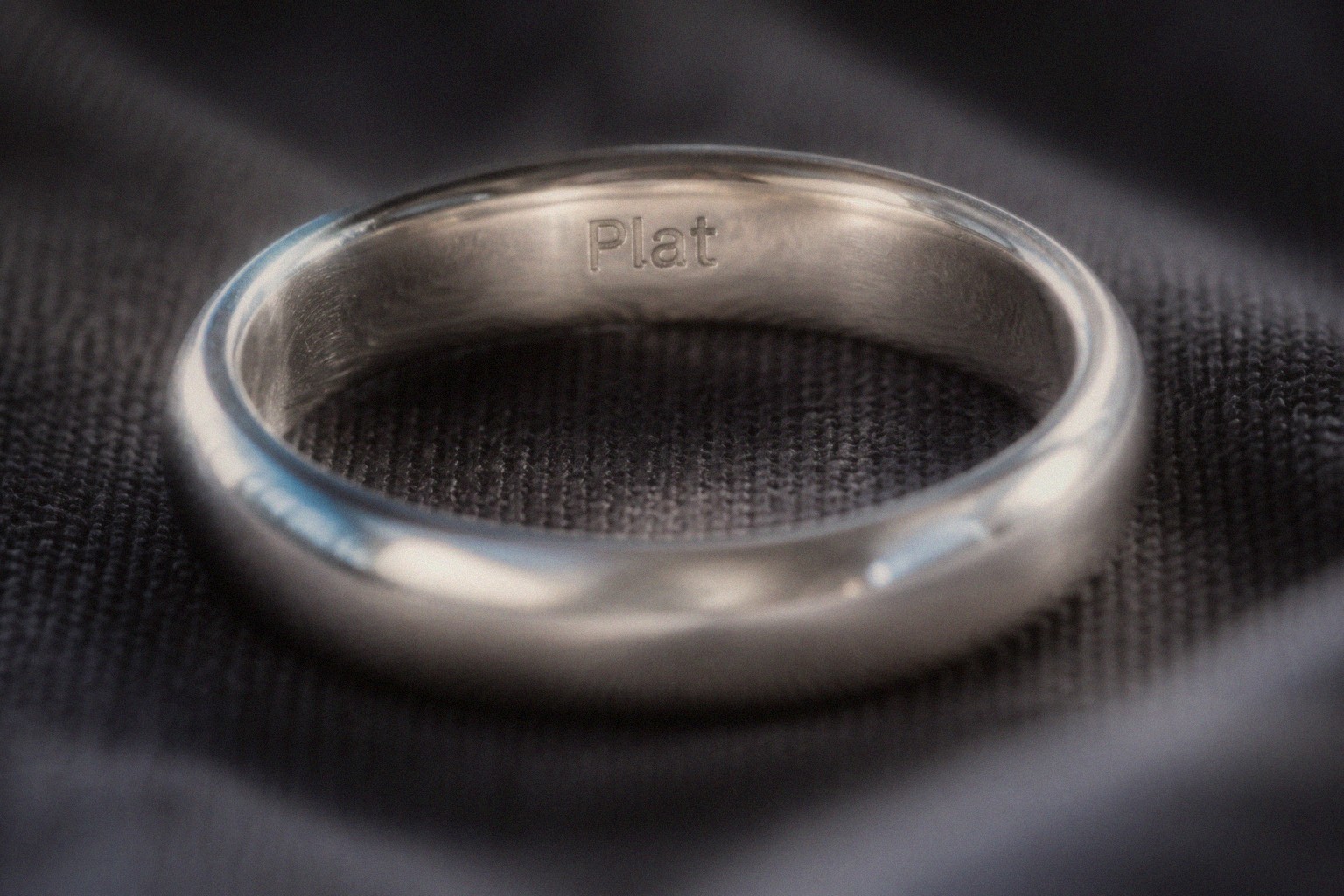
Fake platinum often hides behind a white metal look that photographs well under store lights. Real platinum is dense. A solid piece feels surprisingly heavy for its size compared with silver or stainless steel of the same dimensions. Cup a ring in your palm for a second. The weight difference is often clearer than the color difference. Look for stamps such as Pt, Plat, 950, 900, or 850. Vague marks like white metal, or no stamp at all, deserve skepticism. A magnet test can catch cheap fakes with ferrous cores, since platinum is not magnetic. Some base-metal alloys also fail the magnet test, though, so density and hallmark checks matter more than a fridge magnet alone. Acid kits exist. They can scar finishes and still misread plated pieces if you are not trained. A thin platinum-colored layer over a cheaper core can fool a quick wipe of acid that never reaches the true metal. Filing a notch to expose the interior damages jewelry you may still want to sell intact. That is why many sellers skip chemistry at the kitchen table and leave confirmation to people who test without wrecking the piece. Scratches on the underside of a band, cloudy plating on a fashion setting, and stamps that look stamped twice are small clues worth noting in your photos before anything ships.
White gold, palladium, and rhodium-plated silver can all mimic platinum in a jewelry tray. Palladium is a precious metal too, but it is not platinum, and plating alone is not scrap platinum. White gold often needs rhodium plating to stay bright, so wear on high points can reveal a warmer tone underneath. Silver is lighter in the hand. Stainless pieces can feel hard and cold without the same heft. Plating tricks are common on fashion jewelry that borrows platinum color without platinum metal. Some settings mix metals on purpose, with a white head on a different shank, which confuses a quick glance even more. When you are unsure, skip DIY chemistry and get a professional evaluation instead of grinding, filing, or soaking a piece you might later wish you had left alone. Photos of stamps, clasps, and worn edges help. So does noting whether a piece feels hollow or solid. Hollow platinum exists, but hollow base metal is far more common in costume designs that only look expensive from across a room. If a clasp feels springy in a cheap way, or if the metal chips at an edge, treat the piece as unknown until someone confirms it. Guessing wrong costs more than waiting for a documented answer.
Sell Gold HQ buys platinum jewelry and scrap alongside gold, silver, diamonds, and watches. Mail-in quotes include insured shipping and pricing based on confirmed purity and weight, so you learn what you really have before you accept an offer. Photograph your pieces, note any stamps, and request a free quote so specialists confirm the metal before you accept a cash offer. If the evaluation does not match what you hoped, you can decline for a free return. That path beats guessing with household tests that can damage finishes without settling the question. Keep broken pieces in the shipment too. A cracked band with a readable Pt stamp still has metal value. Missing stones change the conversation around the jewelry as jewelry, but the platinum that remains can still be evaluated. Ship with insured coverage, keep your inventory list, and wait for documented results instead of trusting a store lighting trick that made everything look equally white. The goal is a clear cash offer tied to what the metal actually is, not what the color suggested under bright bulbs.