Jewelry Craft
Mar 12, 2010
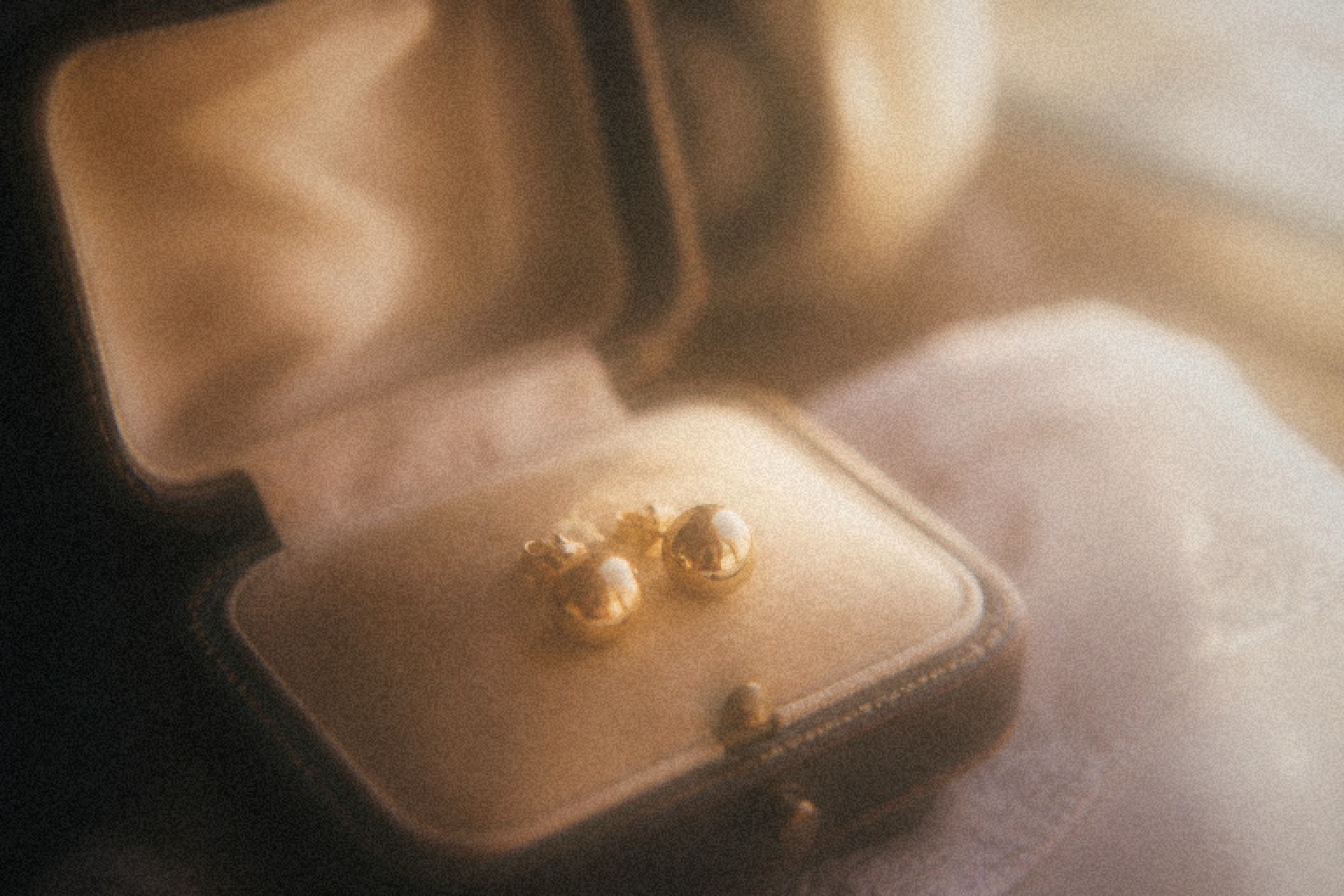
A clear look at how earrings are formed, finished, and why craft details matter when you sell jewelry for cash.
Earrings rarely begin as finished jewelry. Most start as wire, sheet, casting grain, or small stamped blanks that a jeweler shapes into something that can hang from a lobe. Cast pieces come from molds poured while the metal is liquid. Stamped ones are pressed from sheet under a die. Wire work is bent, coiled, or wrapped until the silhouette sits right against the ear. After the main form exists, posts, hooks, lever backs, or screw fittings get soldered on. That join is tiny, but it decides how the earring wears and how it holds up in a jewelry box for years. A soft, uneven solder line can mean the metal around the post is thinner than it looks, or that a repair already happened once and left a weak spot. The metal itself varies too. Fourteen karat gold bends differently from eighteen karat. Sterling silver scratches faster. Platinum feels dense in the hand even when the design is small. Some earrings are hollow. Others are solid. Hollow pieces can look large while weighing less, which surprises people who judge value by size alone. Posts may be a different karat than the front if a repair shop swapped parts. Clip backs sometimes hide steel springs. Those details show up later when a buyer sorts what is precious metal and what is hardware.
Finishing is where the piece either looks intentional or looks unfinished. Surfaces get filed, sanded, tumbled, and polished until tool marks fade. White metals may receive plating for color. Stones go into bezels, prongs, or pave seats that grip from multiple sides. Hallmarks and karat stamps usually sit on the post, the back of a hoop, or inside a clip. Those marks help when you sell, because they support purity checks before weight is calculated. A stamp that is worn smooth is still worth photographing. Broken pairs still hold metal value if the stamp is readable. Missing backs, bent posts, and mixed metals simply need honest notes in your inventory. Packing is part of the same story. Wrap each earring so posts cannot poke through tissue paper. Keep matching pairs in one small pouch so they do not migrate into different corners of a box. Separate heavy bracelets from delicate studs if you are shipping a mixed lot. Soft cloth between layers stops scratching that can hide a hallmark under haze. Photograph stamps in daylight before you ship insured. Then request a free quote with those photos attached so the evaluation starts with clear evidence instead of guesswork.
That construction story is why selling intact earrings usually beats guessing at home. Gold and platinum earrings are valued mainly by purity and weight after stones are considered. Costume hardware mixed into a precious metal pair can slow an offer until metals are sorted. Clear photos of marks, closures, and damage help more than long explanations. Ship with insured coverage, keep your inventory list with the package, and review the cash offer once purity and weight are confirmed. You can accept it or decline for a free return. Sell Gold HQ buys gold, silver, platinum, diamonds, watches, and jewelry through a mail-in process built around documented evaluation. You do not need to polish earrings until they gleam. You do not need matching boxes. You do need readable stamps when they exist, honest notes about broken posts, and packaging that keeps small parts from vanishing in transit. Understanding how earrings are made does not require a torch or a bench. It just helps you pack smarter and describe what actually left your drawer, which is usually enough to move from photos to a cash offer without drama.